Planning for a first home in the GTA
What lenders look at, what a down payment really has to cover, the two ways to use your own registered savings, and the costs people forget on closing day.
3 min read · for newcomers, families, working women · updated September 2026
Educational only. Not financial advice. General information about how things work in Canada, not a recommendation for your situation.
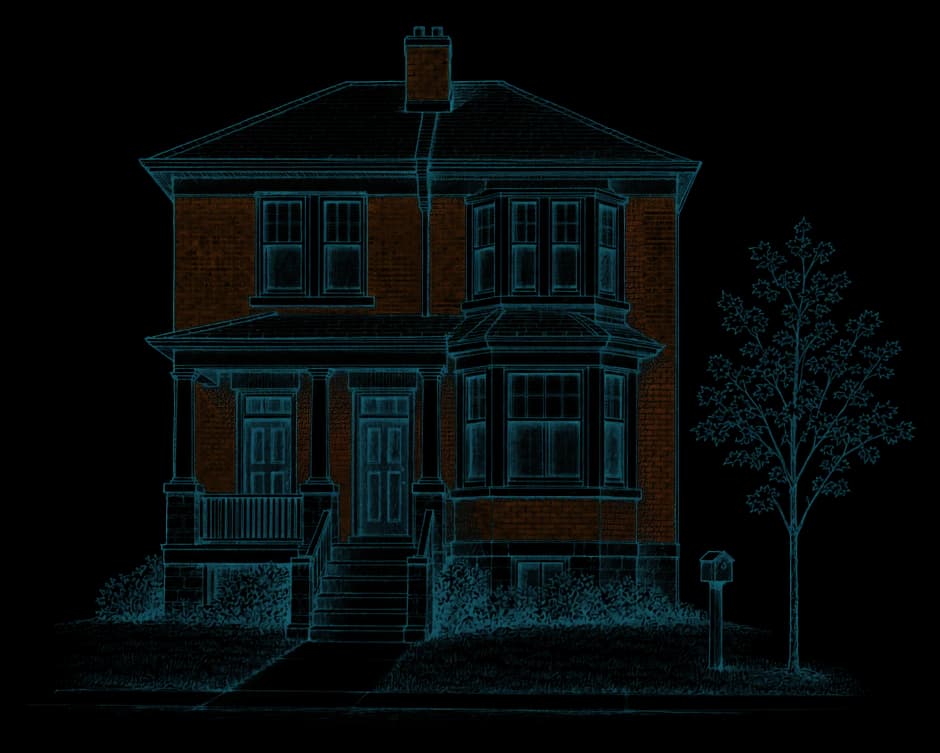
We started in a rented basement, and a home of our own felt very far away. If it feels far to you too, here is what the path looks like, so at least the distance is measurable.
What lenders look at
A mortgage lender is asking one question: will this household pay, month after month, for decades? They answer it with:
- Income, and how stable and provable it is. Salaried income is easiest to document; self-employed income needs a longer track record.
- Existing debts, because the mortgage payment has to fit alongside them. Lenders use ratios of housing costs and total debt to gross income, with limits set by regulation.
- Credit history, which for newcomers is often the thinnest part of the file. Start building it early.
- Down payment, and where it came from. Savings, a gift from family with a signed letter, or registered accounts, all documented.
- The stress test, a federal rule that requires you to qualify at a rate higher than the one you will actually pay, so a rise in rates does not break the household.
What the down payment has to cover
The minimum down payment is a percentage of the purchase price set by federal rules, and it changes with the price band. Below a certain threshold the mortgage must be insured, and that premium is added to what you borrow. A larger down payment reduces the loan, may remove the need for insurance, and lowers the monthly payment.
But the down payment is not the only cash you need on closing day. Budget separately for closing costs: land transfer tax (Toronto adds a municipal one on top of Ontario's), legal fees, title insurance, adjustments for property tax and utilities the seller prepaid, a home inspection, and moving. These are paid in cash and are often underestimated by first-time buyers.
closing costs are the surprise, every time
Two ways to use your own registered savings
The FHSA. Built specifically for this. Contributions reduce taxable income, and a qualifying withdrawal for a first home is tax-free. The FHSA guide explains the rules and the age limits.
The RRSP Home Buyers' Plan. Lets a first-time buyer withdraw from their RRSP, up to a limit, without tax, to buy or build a home, and then repay it to the RRSP over a set number of years. Miss a repayment and that year's amount is added to your income.
Both can be used for the same purchase if you qualify for each. Both have "first-time buyer" definitions that depend on whether you have recently lived in a home you owned, so read them rather than assume.
The sequence that keeps a home from becoming a trap
- Cushion first. A household with a new mortgage and no emergency fund is one bad month from real trouble.
- Credit file built and clean. Twelve months of on-time payments changes what is available.
- Debt low. Credit card balances shrink what you qualify for and what you can comfortably pay.
- Down payment plus closing costs plus a buffer for the first year, because homes cost money after you buy them.
- A payment you could still make if one income paused, which is the stress test you set for yourself, beyond the regulator's.
A note on protection
A mortgage is usually the largest debt a family will ever carry, and it does not disappear if one of the people paying it does. Lenders will offer their own mortgage insurance at the closing table. It is worth understanding how that differs from a life insurance policy you own, before you sign anything. The life insurance basics guide covers the difference, and that decision is a personal conversation, not a checkbox on closing day.
Questions people ask
- What is mortgage default insurance?
- When a down payment is below a threshold set by federal rules, the mortgage must be insured against default, and the premium is added to the loan. It protects the lender, not you, and it is why a larger down payment changes the cost of borrowing.
- Can newcomers get a mortgage with little Canadian credit history?
- Some lenders have newcomer programs that consider other evidence, such as rent and bill payment history and status in Canada. Building a Canadian credit file as early as possible widens the options.
- What is a mortgage pre-approval?
- A lender's conditional statement of how much they would lend and at what rate, for a period. It tells you what range to look in and holds a rate; it is not a guarantee until the property and your documents are approved.
that's my two cents. educational only, not advice.
Want to know what applies to you?
The Cents Check is 14 plain questions and a short read on what to learn first.